Ever wondered how to turn the classroom into a playground where every girl with autism feels seen, heard, and part of the crew? The answer lies in peer‑mediated interventions—strategies that let classmates become allies, not just observers. In this guide, we’ll walk through the “how” of using peer‑mediated interventions for girls with autism, mixing Anxiety & social overwhelm science, practical steps, and a sprinkle of humor to keep things lively.
Understanding Peer‑Mediated Interventions
Peer‑mediated interventions (PMIs) are structured activities where typically developing peers support their autistic classmates in social, academic, and emotional domains. Think of it as a team‑sport where everyone has a role: the coach (teacher), the captain (peer mentor), and the players (students). The goal? Build confidence, communication, and belonging.
The Core Principles
- Reciprocity – Both parties learn; the peer gains empathy, the autistic student gains skills. Structured Support – Clear roles, expectations, and feedback loops. Positive Reinforcement – Celebrating small wins keeps motivation high.
A quick anecdote: At a middle‑school science fair, a peer mentor named Maya guided her friend Lily—who had autism—through a project on solar panels. Maya’s steady encouragement turned Lily’s quiet curiosity into a confident presentation. The crowd applauded, and Maya earned a “Peer Champion” badge. The lesson? A supportive peer can be the spark that ignites brilliance.
> “When peers become allies, the classroom becomes a laboratory of possibility.” – Dr. Elena Morales, Autism Researcher
Why the Keyword Matters
When you search for “How to use peer‑mediated interventions for girls with autism,” you’re looking for practical, evidence‑based guidance. The research shows that girls often mask social difficulties, making them harder to identify. Peer support can unmask strengths, reduce isolation, and foster genuine friendships.
Why Girls with Autism Need Peer Support
Girls with autism frequently face unique challenges: social masking, sensory sensitivities, and a tendency to be overlooked. Peer‑mediated interventions help address these hurdles by creating an inclusive environment that values differences.
Social Masking and the “Hidden Girl”
Many autistic girls develop a “mask”—a façade of typical behavior—to fit in. This mask can lead https://canvas.instructure.com/eportfolios/3554928/home/autism-range-disorder-national-institute-of-psychological-health-and-wellness-nimh to exhaustion, anxiety, and a sense of inauthenticity. Peer mentors can model authenticity, encouraging girls to embrace their true selves.
Sensory Sensitivities in Social Settings
Classroom noise, crowded spaces, and unpredictable interactions can overwhelm. Peers can help navigate these environments, offering cues, gentle reminders, or a comforting presence during transitions.
Academic Engagement
Studies show that girls with autism often excel academically but struggle to participate in group discussions. Peer‑mediated interventions provide structured opportunities for verbal participation, boosting confidence and learning outcomes.
Designing Effective Peer‑Mediated Programs
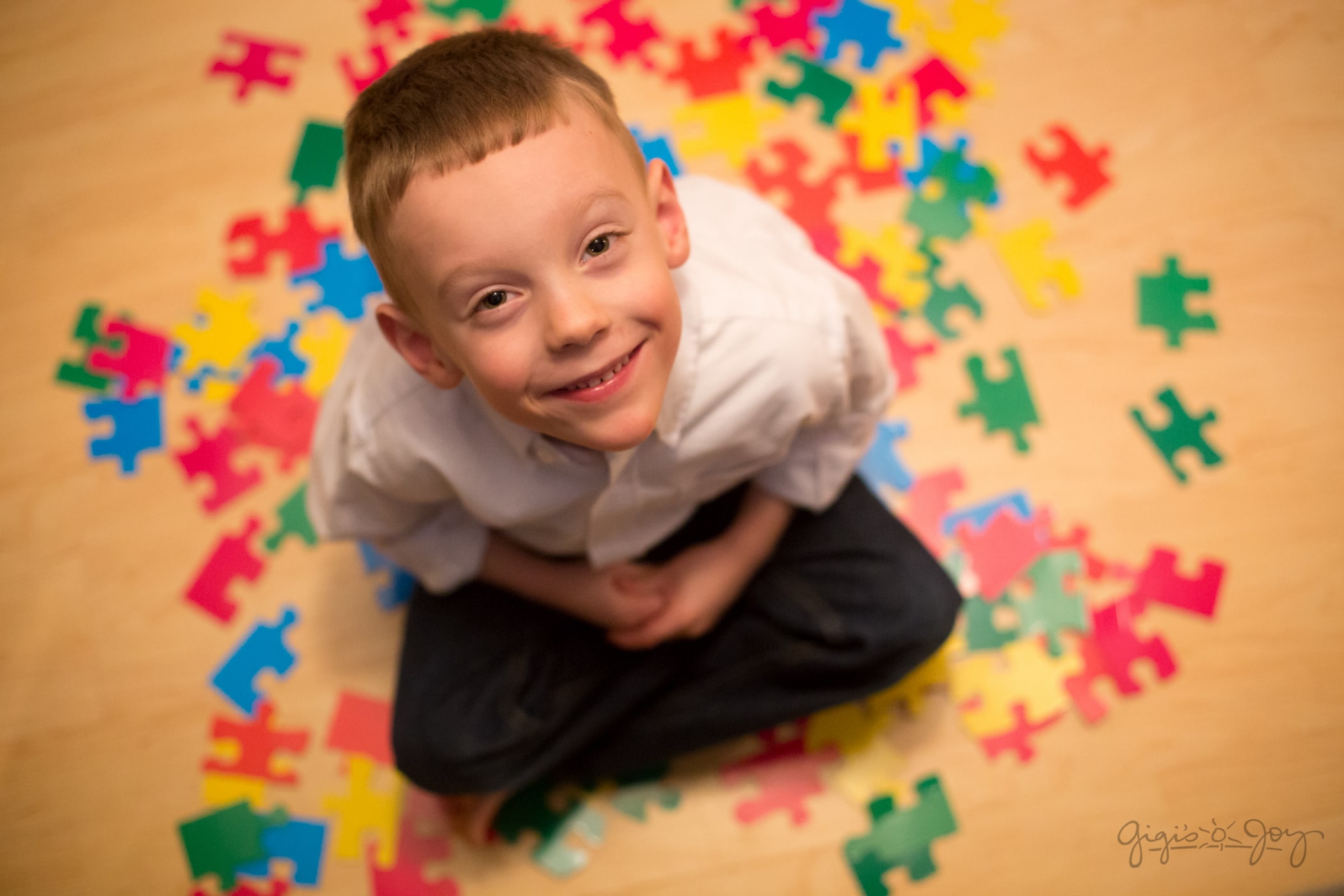
Creating a successful PMI program is like assembling a jigsaw puzzle: every piece matters. Here’s a step‑by‑step blueprint.
Step 1: Identify Goals and Metrics
- Social Goals – Increase conversation initiation, reduce isolation. Academic Goals – Enhance participation in group projects, improve comprehension. Emotional Goals – Reduce anxiety, boost self‑esteem.
Step 2: Select and Train Peer Mentors
- Criteria – Empathy, communication skills, reliability. Training Topics – Autism basics, active listening, confidentiality, conflict resolution.
Step 3: Pairing Strategy
- Interest Matching – Pair students with shared hobbies or academic interests. Dynamic Observation – Allow trial pairings before finalizing.
Step 4: Structured Interaction Framework
- Warm‑Up Activities – Icebreakers to build rapport. Skill‑Building Tasks – Role‑plays, collaborative projects. Reflection Sessions – Discuss successes, challenges, and next steps.
Step 5: Continuous Monitoring and Feedback
- Check‑Ins – Weekly meetings with mentors and participants. Data Collection – Track participation rates, self‑report surveys. Adjustments – Refine pairings, modify activities based on feedback.
Practical Tips for Implementation
Now that you have the blueprint, let’s dive into the nuts and bolts of putting it into action.
Create a Welcoming Environment
- Visual Schedules – Clear, color‑coded plans reduce anxiety. Quiet Zones – Spaces where students can decompress if overwhelmed. Inclusive Language – Use terms like “team” and “partner” instead of “mentor” or “student.”
Empower Peer Mentors
- Role‑Playing Scenarios – Practice handling sensitive topics. Resource Kits – Provide conversation starters, sensory tools, and quick‑reference guides. Recognition – Celebrate mentors’ efforts with certificates or small rewards.
Foster Autonomy for the Autistic Student
- Choice Boards – Let students select activities or topics they’re passionate about. Self‑Advocacy Workshops – Teach skills like “I need a break” or “I’d like to work on this task.”
Use Technology Wisely
- Communication Apps – Visual schedules, message boards, and social stories can bridge gaps. Digital Collaboration Tools – Shared documents, virtual whiteboards for group projects.
Monitor Progress with Real‑World Metrics
- Observation Checklists – Note instances of peer interaction, initiation, and response. Self‑Report Journals – Encourage students to reflect on feelings and achievements. Peer Feedback Forms – Gather insights from mentors about the experience.
Overcoming Challenges and Celebrating Success
Every program will hit bumps. The key is to view obstacles as stepping stones rather than roadblocks.

Common Challenges
- Resistance from Peers – Some classmates may feel uncomfortable stepping into new roles. Solution: Provide orientation sessions emphasizing empathy and shared responsibility. Sensory Overload During Meetings – Keep sessions short, provide sensory breaks, and use calm‑color palettes. Sustainability – Maintaining momentum can be tough. Solution: Rotate mentor roles, involve parents, and celebrate milestones.
Celebrating Wins
- Mini‑Ceremonies – Highlight achievements with certificates or a “Peer‑Support Wall.” Student‑Led Presentations – Allow participants to showcase what they’ve learned. Family Involvement – Invite parents to share their observations and support the program.
A lighthearted anecdote: During a school assembly, a group of peer mentors performed a short skit about “The Day the Classroom Became a Team.” The audience erupted in applause, and the principal declared it “the most spirited performance of the year.” The morale boost was undeniable.
Charting the Path Forward
Peer‑mediated interventions are not a one‑off fix; they’re an evolving practice that grows with your community. By integrating the strategies above, schools can create an ecosystem where girls with autism thrive socially, academically, and emotionally.
* Key Takeaways:*
- Peer‑mediated interventions turn classmates into allies, not just observers. Structured, well‑trained mentors can help girls with autism break through social masking and sensory barriers. Continuous monitoring, flexibility, and celebration keep the program dynamic and effective.
Now, imagine a classroom where every girl feels she belongs—where peer support is as natural as breathing. That’s the power of “How to use peer‑mediated interventions for girls with autism.” Ready to start? Reach out to your school’s special education coordinator, gather a team of enthusiastic peers, and let the transformation begin.